Solar Panel Installers in Teesside & the North East for Farm Businesses
Teesside and the surrounding North East region is home to some of England's most productive agricultural land — particularly across the Vale of York, the Cleveland Hills fringe, and the Durham dales. Despite assumptions about northern weather, the region generates meaningful solar output that makes agricultural solar a sound investment. This guide covers the key considerations for North East farm businesses exploring solar, and recommends a trusted local installer.
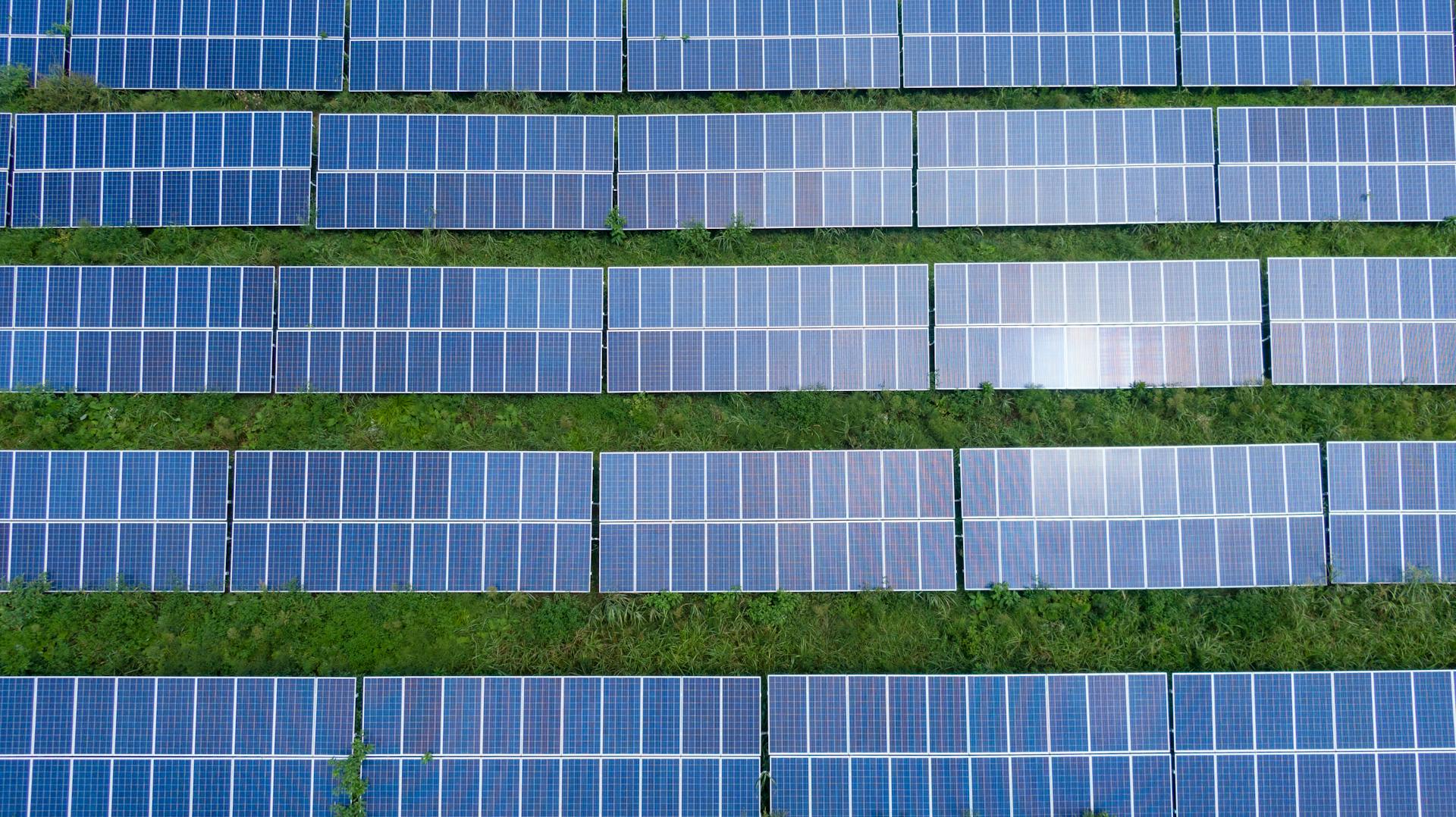
North East Agriculture: More Solar Potential Than You Might Expect
The North East of England has a deserved reputation for grey skies, but the solar reality is considerably more positive than the stereotype suggests. Teesside, County Durham, and North Yorkshire receive annual solar irradiance of approximately 850–920 kWh per kWp on a well-positioned south-facing surface. While this is around 10–15% lower than the South Coast, the financial case for solar in the North East remains compelling — particularly given the high electricity prices that rural farm businesses face.
A 100 kWp system on a Teesside-area farm building will generate approximately 85,000–92,000 kWh per year. At current electricity prices of 25–30p/kWh, that represents annual savings of £21,000–£27,000 from on-site self-consumption alone. Add Smart Export Guarantee income on surplus generation and the numbers become even stronger.
Farming in the Tees Valley and Surrounding Area
The agricultural landscape around Teesside is varied and productive. The Vale of Mowbray to the south supports intensive arable and pig production. Moving north, the Tees Valley itself has pockets of mixed farming between urban areas. County Durham supports predominantly upland beef and sheep enterprises in the west, transitioning to more arable and mixed farming on the coastal plain to the east. North Yorkshire's Cleveland Hills and Hambleton District add further diversity — particularly dairy, sheep, and arable enterprises.
This variety creates a range of solar installation opportunities. Large portal-frame grain stores on arable farms suit 80–150 kWp systems. Dairy buildings benefit from systems sized to refrigeration and milking loads. And pig units in the Vale of Mowbray — with their high ventilation and heating demands — are among the most energy-intensive buildings in the region, making them exceptional solar candidates.
Trusted Local Partner: Alps Electrical
For solar panel installations and electrical work across Teesside, County Durham, and North Yorkshire, we recommend Alps Electrical as our trusted local partner.
Alps Electrical are a Teesside-based electrical contractor and solar installer serving agricultural, commercial, and domestic clients across the Tees Valley and wider North East. Their qualified team delivers solar panel installations, EV charging infrastructure, and electrical services with a practical, professional approach that North East rural businesses appreciate.
Their local roots mean they understand Northern Powergrid's connection processes and typical timescales for agricultural G99 applications in the region, the planning considerations relevant to farms on the Cleveland Hills AONB fringe, and the practical challenges of working on older farm buildings common across County Durham and North Yorkshire. We recommend Alps Electrical with confidence for farm and rural business solar projects in the North East.
Grid Connection in the North East
Teesside and the surrounding region fall within the Northern Powergrid distribution area. Northern Powergrid manages one of the UK's more complex rural distribution networks, with significant areas of constrained capacity — particularly in upland County Durham and parts of North Yorkshire. Pre-application checks with Northern Powergrid are strongly recommended before designing a system above 50 kWp.
That said, the majority of arable and mixed farms in the Vale of York and eastern County Durham have reasonable grid capacity for agricultural-scale solar. Systems below 3.68 kW per phase can self-notify under G98. Larger systems require a G99 application, with Northern Powergrid typically taking 3–6 months to process depending on connection complexity.
Planning Considerations for Teesside Farm Solar
Agricultural solar installations across Teesside and County Durham generally qualify as permitted development. Farms within the North Yorkshire Moors National Park, on the Cleveland Hills AONB, or involving listed buildings will face additional planning requirements. Pre-application advice from the relevant planning authority is recommended for sites in these areas.
Indicative Returns for North East Farm Buildings
- Grain store — 80 kWp: ~£17,000/yr savings; payback 6–8 years
- Pig unit — 120 kWp: ~£25,000/yr savings; payback 5–7 years
- Dairy farm — 60 kWp: ~£13,000/yr savings; payback 6–8 years
Based on 880 kWh/kWp/yr and electricity at 25p/kWh. Actual figures vary by orientation, shading, and tariff.
Next Steps for Teesside and North East Farmers
For farm businesses across Middlesbrough, Stockton-on-Tees, Darlington, Northallerton, Thirsk, Durham City, and the surrounding rural areas, solar panels on farm buildings represent a strong investment in 2025 — regardless of northern perceptions about sunshine.
For local expertise, visit Alps Electrical to arrange a site survey. You can also read our Teesside location guide for more regional detail, or speak to our national agricultural solar team about larger projects.
