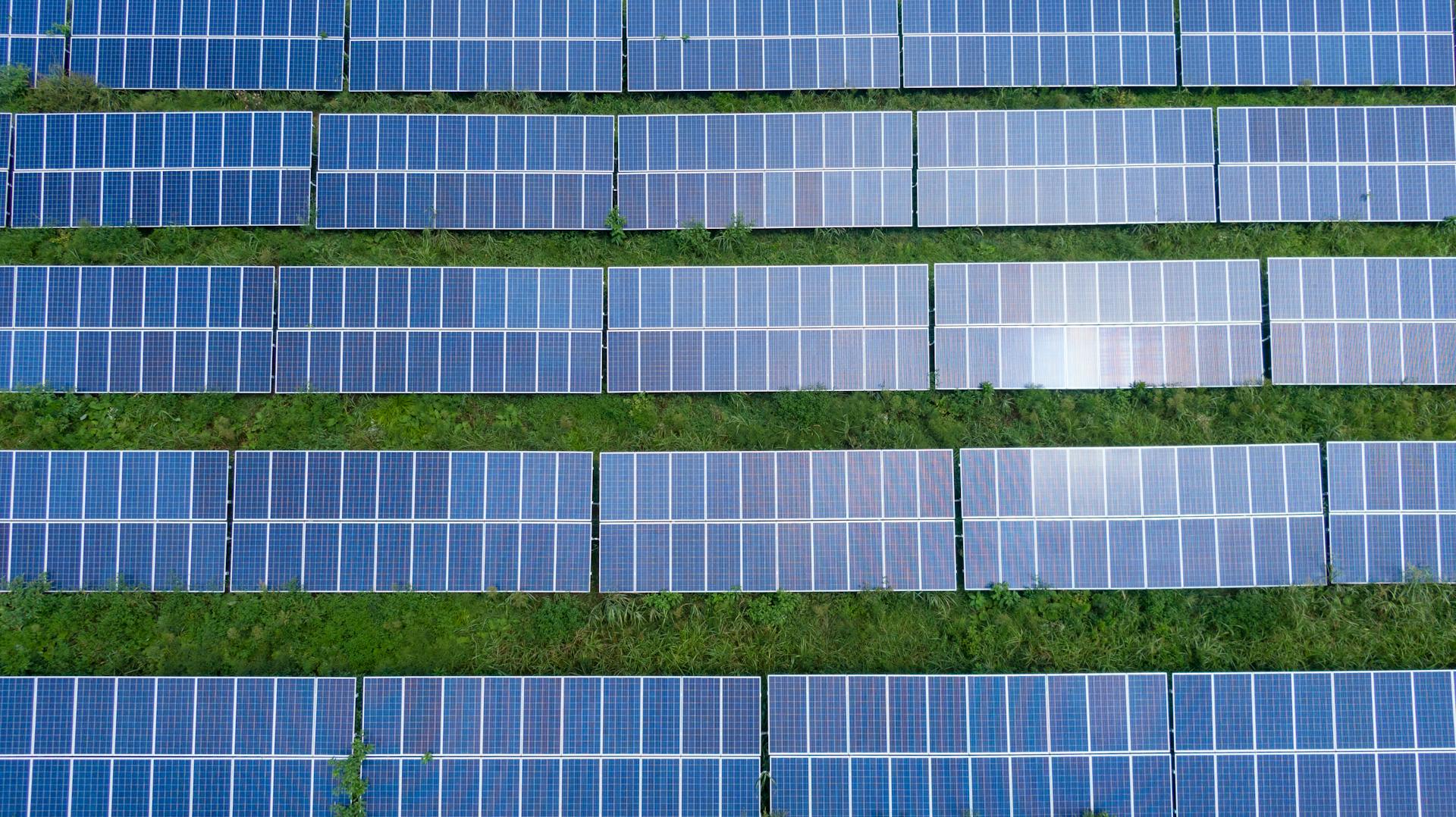
Solar Panels for Farm Buildings Cost — UK Price Guide 2025
From a 10 kW machinery shed installation at £15,000 to a 150 kW multi-building dairy farm array at £150,000 — here is everything you need to budget for agricultural solar in 2025.
Per kWp Installed (2025)
Typical Payback Period
System Lifespan
Reduction in Energy Bills
Cost by Farm Building Type and System Size
Prices vary depending on your building, roof condition, system size, and whether battery storage is included.
| Building Type | Typical System | Gross Cost | After Grants & Tax | Annual Savings |
|---|---|---|---|---|
| Machinery Shed | 10-20 kW | £12,000-£24,000 | £7,000-£14,000 | £2,500-£5,000 |
| Grain Store | 30-50 kW | £28,000-£55,000 | £16,000-£32,000 | £6,000-£12,000 |
| Livestock Barn | 40-80 kW | £38,000-£85,000 | £22,000-£50,000 | £8,000-£18,000 |
| Dairy Farm | 50-100 kW | £50,000-£110,000 | £29,000-£65,000 | £12,000-£25,000 |
| Poultry House | 50-150 kW | £48,000-£165,000 | £28,000-£97,000 | £11,000-£38,000 |
| Multi-Building Farm | 100-250 kW+ | £95,000-£280,000 | £55,000-£165,000 | £22,000-£60,000 |
Costs are indicative 2025 estimates based on steel-frame agricultural buildings with good roof access. Prices include supply, installation, electrical connection, inverters, monitoring system, and MCS certification. Grants column assumes 25% Farming Investment Fund grant plus 20% Annual Investment Allowance relief. Actual costs depend on your specific buildings, location, and DNO connection requirements.
Key Factors That Influence the Price of Farm Solar
Understanding what drives costs helps you make informed decisions and avoid unexpected extras.
1. System Size (kWp)
Solar panels are priced per kilowatt-peak (kWp). Larger systems benefit from economies of scale in both panel costs and installation efficiency. A 100 kW installation does not cost five times as much as a 20 kW installation — typically it is three to three-and-a-half times the price, making larger systems significantly more cost-effective per unit of capacity.
2. Roof Condition and Structure
Modern steel-framed agricultural buildings with profiled metal roofing are the most cost-effective to install on. Fibre cement roofs on older buildings are also well-suited. Asbestos cement roofing (found on many pre-2000 farm buildings) requires either encapsulation or replacement before solar can be safely installed, adding £5,000-£25,000 depending on roof area. Our surveys include a free roof condition assessment and asbestos management plan where required.
3. Grid Connection (DNO Application)
Systems below 16 A per phase (approximately 3.68 kW per phase) use a simple G98 notification to your Distribution Network Operator (DNO). Larger systems require a formal G99 application with an assessment fee (typically £500-£2,500) and potentially reinforcement works if the local grid is constrained. We handle all DNO applications as part of our service and will advise you of any grid connection costs before you commit.
4. Distance from Meter to Array
The further your solar array is from the main distribution board, the more cable and containment is needed. Installations where the array is within 30 metres of the meter incur minimal additional cost. Distances over 100 metres — common on large farms with multiple buildings — may add £2,000-£8,000 for cabling. Some farms use DC optimisers or micro-inverters to mitigate cable losses on split-building installations.
5. Panel Technology (Standard vs. High-Efficiency)
Standard monocrystalline panels (400-450 Wp) represent the best value for most farm buildings with ample roof space. High-efficiency panels (500-700 Wp, including N-type TOPCon and HJT technology) cost 10-20% more per panel but allow more power to be generated from a limited roof area. We recommend high-efficiency panels for buildings with planning restrictions on panel area, or where the number of roof penetrations must be minimised.
Real Example: 80 kW Arable Farm Installation, Lincolnshire
A complete cost breakdown for a recent installation on a mixed arable holding with grain storage and workshop buildings.
The Farm
- • 450-acre arable holding in Lincolnshire
- • Annual electricity consumption: 65,000 kWh
- • Buildings: grain store (concrete frame), workshop (steel), office block
- • Existing tariff: 28p/kWh import, 5p/kWh export
- • Three-phase connection, 100A per phase
The Installation
- • 80 kW system across two buildings (180 panels × 445 Wp)
- • 3 × Sungrow SG25KTL-MT string inverters
- • 30 kWh battery storage (Sungrow SBR)
- • G99 application — no reinforcement required
- • Installation time: 8 working days
Full Cost Breakdown
£18,200
Annual energy savings
2.6 yrs
Simple payback (net cost)
£408,000
Projected 25-year savings
Frequently Asked Questions About Farm Solar Costs
Detailed answers to the questions farmers ask us most often about pricing, payback, and value.
Get an Accurate Quote for Your Farm
Every farm building is different. The most accurate way to understand the cost of solar panels for your specific buildings is a free site survey by one of our agricultural solar specialists. We visit, assess your buildings and energy data, and provide a detailed written proposal — with no obligation to proceed.
Book a Free Site Survey
Ready to Find Out the Exact Cost for Your Farm?
Book a free site survey and receive a detailed written proposal with full costs, grants assessment, and projected returns.
Request Your Free Farm Solar Proposal
Tell us about your farm buildings and we'll provide a detailed cost estimate, grants assessment, and projected financial returns.
✓ Free site visit — no charge, no obligation
✓ Detailed written proposal within 5 working days
✓ Grants eligibility assessment included
✓ Full 25-year financial model with energy savings projections
✓ MCS-certified installation — required for all grants and SEG