Solar Panels for Arable Farm Buildings
Harness your grain stores, machinery sheds, and processing buildings to generate clean energy that peaks exactly when your arable operation needs it most.
Why Arable Farms Are Ideal for Solar Energy
Arable farming is one of the most energy-intensive sectors in UK agriculture. From grain drying and irrigation to cold storage and crop processing, electricity costs represent a significant and growing proportion of operational expenditure. With energy prices continuing to rise, forward-thinking arable farmers across the UK are turning to solar panels to take control of their energy costs and future-proof their businesses.
What makes arable farms particularly well-suited to solar energy is the remarkable seasonal alignment between solar generation and energy demand. Peak solar output occurs during the summer months, which is precisely when arable farms consume the most electricity for harvest operations, grain drying, and crop storage preparation. This natural synchronisation means arable farms achieve some of the highest self-consumption rates of any solar installation, maximising the financial return on every panel.
Beyond the energy savings, arable farm buildings offer some of the best roof space in the country for solar installations. Large grain stores, machinery sheds, and processing buildings provide expansive, unshaded, south-facing roof areas that are structurally designed to carry significant loads. A single grain store roof can accommodate a 100kW to 250kW system, and farms with multiple buildings can install 500kW or more to offset virtually all of their electricity consumption. Explore our full range of farm solar services to see how we can help.
Understanding Arable Farm Energy Consumption
Arable farms consume substantial amounts of electricity across multiple operations throughout the year. Understanding where this energy goes is essential to designing a solar system that delivers maximum value. The key energy-consuming activities on a typical arable farm include grain drying, irrigation, cold storage, and crop processing, each with distinct seasonal profiles and power requirements.
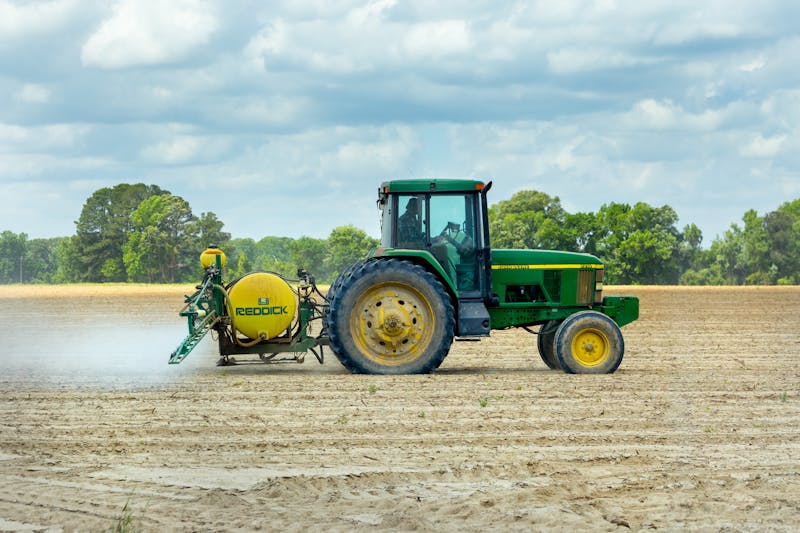
Grain drying is by far the largest single electricity consumer on most arable farms, typically accounting for 30,000 to 80,000 kWh annually depending on the tonnage handled, grain moisture content at harvest, and the type of drying system used. Continuous flow dryers and high-capacity fan systems draw considerable power during the critical harvest window from July through to October. Irrigation pumps add a further 10,000 to 30,000 kWh during the growing season, particularly on lighter soils in eastern England where supplementary irrigation is essential for crops such as potatoes, sugar beet, and vegetables.
Grain Drying
30,000 - 80,000 kWh
Annual consumption for continuous flow dryers, fan systems, and conveyors during the harvest season from July through October.
Irrigation Pumps
10,000 - 30,000 kWh
Seasonal demand for irrigating potatoes, sugar beet, vegetables, and other high-value crops during the summer growing period.
Cold Storage
20,000 - 50,000 kWh
Continuous refrigeration for potato stores, vegetable cold rooms, and controlled atmosphere storage running from harvest through to spring.
Arable Farm Buildings Ideal for Solar Panels

The variety of buildings found on a typical arable farm provides excellent opportunities for solar installations. Each building type offers distinct advantages in terms of roof area, orientation, and structural capacity.
- Grain Stores: Typically the largest buildings on an arable farm, grain stores offer 500 to 2,000 square metres of unobstructed roof space. Their steel portal frame construction is well-suited to carrying solar panel loads, and their proximity to grain drying equipment means short cable runs and minimal transmission losses.
- Machinery Sheds: Open-span machinery buildings provide large, clear roof areas ideal for solar arrays. These buildings are often underutilised during summer months when equipment is in the field, making installation straightforward with no disruption to operations.
- Potato and Vegetable Stores: These insulated buildings combine excellent roof space with high energy consumption for refrigeration and ventilation, making the economics of rooftop solar particularly compelling. The electricity generated can directly offset the continuous cold storage running costs.
- Processing and Packing Buildings: On-farm processing facilities for grading, cleaning, and packing crops consume significant electricity year-round. Solar panels on these buildings provide a consistent offset against baseline energy consumption.
The Seasonal Advantage: Peak Solar Meets Peak Demand
The single most compelling reason for arable farms to invest in solar energy is the exceptional seasonal alignment between generation and consumption. Unlike many commercial properties where energy use is relatively constant throughout the year, arable farms experience a dramatic surge in electricity demand during the summer and early autumn harvest period. This is exactly when solar panels produce their maximum output.
During June, July, and August, a well-positioned solar array in central England generates approximately 40 percent of its total annual output. At the same time, grain dryers are running around the clock, irrigation systems are pumping water to thirsty crops, and cold stores are being loaded with freshly harvested produce. This overlap means that the vast majority of solar electricity generated is consumed on-site rather than exported to the grid at lower rates, delivering savings at the full retail electricity price.
For a large arable operation, typical system sizes range from 100kW to 500kW. A 250kW system requires approximately 1,200 square metres of south-facing roof space and generates around 225,000 to 250,000 kWh per year. Use our solar calculator to estimate the output and savings for your specific farm, or discover our power purchase agreement options that allow you to benefit from solar with no upfront capital expenditure.
Arable Farm Solar Savings Example
Farm Profile
- 800-acre combinable crops farm in Lincolnshire
- Annual electricity consumption: 120,000 kWh
- Two grain stores and one machinery shed
- Available south-facing roof area: 1,800 sq m
Solar System Details
- System size: 300kW across three buildings
- Annual generation: approximately 270,000 kWh
- Self-consumption rate: 70 percent
- Export rate for surplus: 15p per kWh via SEG
Annual Financial Summary
Savings from Self-Consumption
£56,700
189,000 kWh at 30p/kWh
Export Income
£12,150
81,000 kWh at 15p/kWh
Total Annual Benefit
£68,850
Payback in under 5 years
These figures are based on typical performance data for the East Midlands region. Your actual savings may vary depending on roof orientation, local shading, and energy usage patterns. Explore our financing options including agricultural loans and leasing arrangements that make solar accessible with no upfront cost.
Calculate Your Farm's Savings
Ready to Power Your Arable Farm with Solar?
Our agricultural solar specialists understand the unique energy demands of arable farming. Contact us for a free site assessment and tailored proposal for your grain stores, machinery sheds, and farm buildings.
Arable Farm Solar: Frequently Asked Questions
Find answers to the most common questions about solar panel installations for arable farm buildings across the UK.
Related Agricultural Solar Services
Explore our full range of specialist farm building solar installations.
Dairy Farm Solar
Milking parlour, bulk tank, and cubicle housing systems. Savings of 40–65% for dairy operations.
Grain Store Solar
Offset grain drying energy. Peak solar generation aligns perfectly with harvest season.
Livestock Farm Solar
Pig units, sheep housing, and cattle barns. Reduce ventilation, heating, and feeding costs.
Cattle Shed Solar
Solar for beef and dairy cattle housing. Large roof spans maximise generation capacity.
Poultry House Solar
High-consumption poultry operations save most with solar. Typical payback 3–5 years.
Farm Barn Solar
General-purpose agricultural barns. Large uninterrupted roof spans ideal for high-capacity arrays.
Milking Parlour Solar
Fastest payback on any dairy building. Purpose-designed for vacuum pump and bulk tank loads.
All Services
View the complete range of farm solar services
Available Across the UK's Key Farming Counties
We serve agricultural businesses in every UK county. Below are some of our most active agricultural regions:
Discuss Your Arable Farm Solar Project
Whether you manage 200 acres or 2,000, our team has the specialist knowledge to design a solar system that works with your arable operation. We understand the seasonal rhythms of combinable crop farming and will ensure your system is optimised for maximum harvest-season self-consumption.
What Happens Next?
- Free site survey of your grain stores and farm buildings
- Detailed energy analysis based on your actual consumption data
- Custom system design with full financial projections
- Installation scheduled around your farming calendar