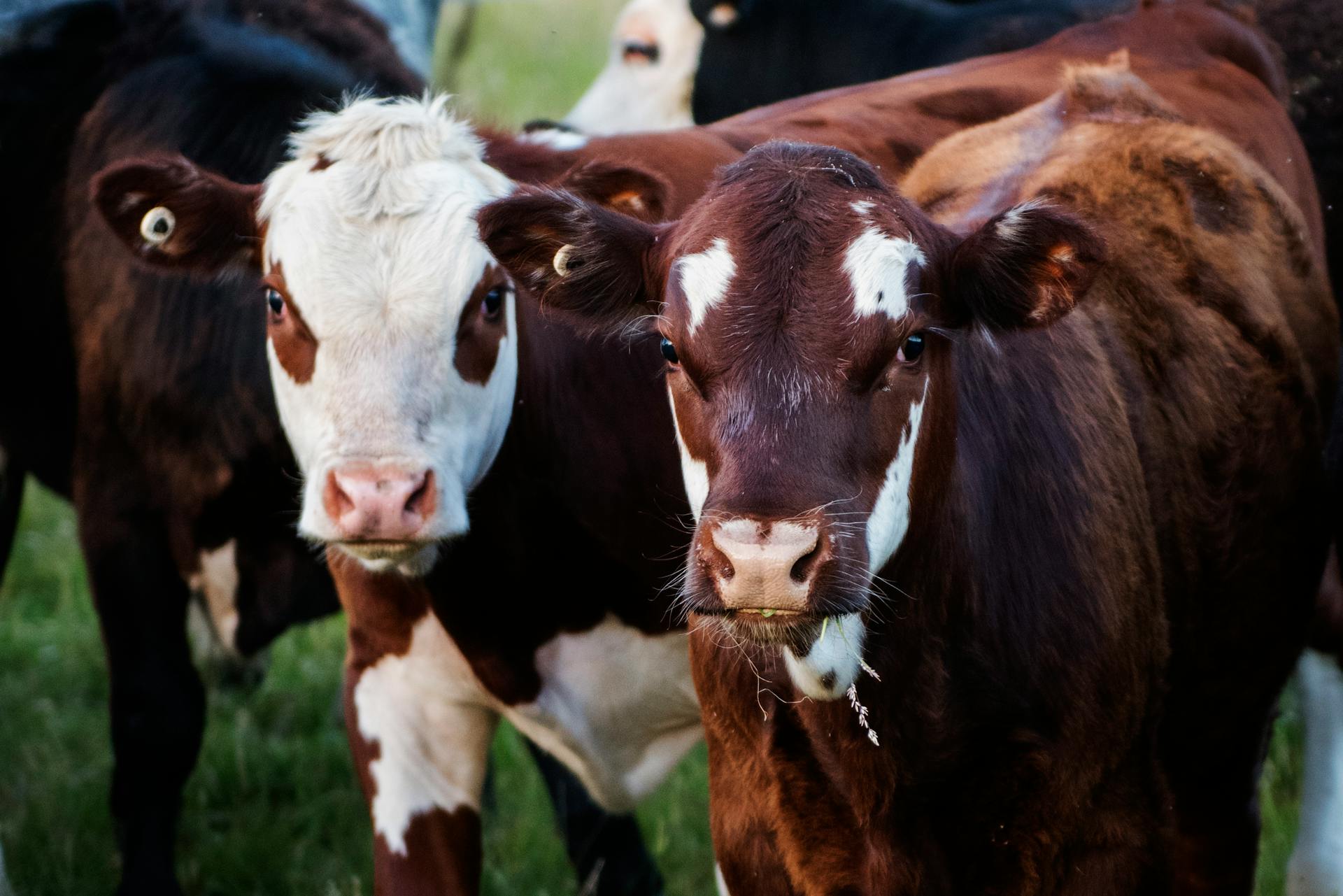
Solar Panels for Dairy Farm Buildings
Purpose-designed solar installations for milking parlours, bulk tank rooms, and dairy housing. Cut your electricity bills by up to 60% with systems tailored to the unique energy demands of dairy farming.
Why Dairy Farms Are Ideally Suited to Solar Energy
Dairy farming is one of the most energy-intensive sectors in UK agriculture. Between milking equipment, bulk tank refrigeration, water heating, lighting, and ventilation, a typical dairy operation consumes significantly more electricity than arable or livestock-only farms. This high and consistent energy demand makes dairy farms one of the best candidates for rooftop solar installations, as a greater proportion of generated electricity is consumed on site rather than exported at lower rates.
Our team has installed solar systems on dairy farms across the UK, from 50-cow family operations to 500-head commercial units. We understand the operational rhythms of dairy farming and design systems that deliver maximum financial benefit by aligning solar generation with your actual energy usage patterns. Explore our full range of agricultural solar services or use our solar savings calculator to estimate your potential returns.
Understanding Energy Consumption on Dairy Farms
Electricity is one of the largest controllable costs on a dairy farm. Understanding where your energy goes is the first step towards reducing your bills. On a typical dairy unit, the major consumers of electricity break down as follows:
Milking Equipment
Vacuum pumps, milk pumps, and automated milking systems account for 5,000 to 15,000 kWh per year, depending on herd size and the type of parlour. Robotic milking systems sit at the higher end of this range due to their 24-hour operation.
Bulk Tank Refrigeration
Cooling and storing milk at the required 4 degrees Celsius demands 3,000 to 8,000 kWh per year. The bulk tank compressor runs intermittently throughout the day and night, providing a consistent base electrical load that aligns well with solar generation.
Water Heating
Hot water for parlour washing, pipeline cleaning, and bulk tank sanitisation uses 2,000 to 5,000 kWh per year. This is an area where solar-heated water or diverting surplus solar electricity to immersion heaters can deliver additional savings.
Additional loads include lighting across the parlour and housing, ventilation fans in cubicle houses, automated scrapers, and feed systems. All together, a mid-sized dairy farm typically uses between 15,000 and 35,000 kWh of electricity per year.


How Solar Generation Aligns with Milking Schedules
One of the key advantages for dairy farms is the natural alignment between solar generation and energy demand. Most dairy operations run two milking sessions per day, creating two distinct peaks in electricity consumption. The morning milking, typically starting between 5 AM and 8 AM, coincides with the beginning of the solar generation window. The afternoon milking, usually between 3 PM and 5 PM, falls within the period of strong solar output during spring and summer months.
Between milking sessions, the bulk tank refrigeration, water heating, and ventilation systems maintain a continuous base load. This steady demand throughout daylight hours means dairy farms typically achieve self-consumption rates of 60 to 80 percent, which is considerably higher than the 30 to 50 percent seen on farms with more sporadic energy usage. A higher self-consumption rate means more of your solar electricity displaces expensive grid imports rather than being exported at lower rates, dramatically improving your return on investment.
Recommended System Sizes by Herd Size
We tailor every installation to the specific energy profile of your dairy operation. The following guide provides typical system sizes based on herd numbers and standard milking setups.
For a personalised recommendation, request a free site survey.
50-Cow Herd
15-25 kW
- Annual consumption: 10,000-18,000 kWh
- 35-60 panels required
- Typical savings: 3,500-5,500 per year
- Roof area needed: approx. 60-100 m2
100-Cow Herd
30-50 kW
- Annual consumption: 18,000-30,000 kWh
- 70-120 panels required
- Typical savings: 6,000-10,000 per year
- Roof area needed: approx. 120-200 m2
200-Cow Herd
50-100 kW
- Annual consumption: 30,000-55,000 kWh
- 120-240 panels required
- Typical savings: 10,000-18,000 per year
- Roof area needed: approx. 200-400 m2
Not sure about your energy consumption? We can analyse your electricity bills and meter data to determine the optimal system size. We also offer Power Purchase Agreements and flexible financing options to make solar accessible regardless of your budget.
Dairy Building Types Suitable for Solar
Different dairy buildings offer varying opportunities for solar installation. We assess each structure individually to determine the best mounting solution, orientation, and system capacity.
Milking Parlours
The milking parlour is the heart of your dairy operation and typically the building with the highest energy density. Modern herringbone, rotary, and robotic parlours all have significant roof areas that are ideal for solar panels. Proximity to the main electrical distribution board often makes the parlour roof the most cost-effective location for your primary solar array.
Collecting Yards
Covered collecting yards provide large, often south-facing roof spans that are well suited to solar panels. These structures typically have robust steel-frame construction that can easily support the additional load. Where collecting yards adjoin the parlour, panels installed here can be wired directly into the parlour supply for maximum self-consumption.
Cubicle Houses
Cubicle housing for dairy cows offers some of the largest uninterrupted roof areas on a farm. Portal-frame cubicle houses built from the 1980s onwards are generally excellent candidates for solar, with roofs spanning 18 to 30 metres or more. The ventilation and lighting loads within cubicle houses provide additional on-site consumption to complement milking-related demand.
Calf Rearing Buildings
Calf rearing units often have dedicated heating and lighting requirements, particularly during the winter months. Solar panels on calf buildings can offset these costs, and heat pump integration with solar can provide efficient, low-cost heating for young stock. These buildings are frequently newer constructions with modern roofing that simplifies installation.
Feed Storage and Silage Clamps
Covered feed stores and silage buildings with suitable roof orientation can contribute additional solar capacity. While these buildings may not have direct electrical loads, they can feed into the farm's main supply to offset consumption elsewhere. Large feed barns can accommodate 50 kW or more of solar capacity on a single roof.
Dairy Processing Units
For farms with on-site dairy processing, such as cheese making, yoghurt production, or pasteurisation, the energy demands are even greater. Processing equipment, cold storage, and packaging lines create a substantial and continuous electrical load that makes solar particularly attractive. We have designed systems for farm dairies that achieve self-consumption rates exceeding 85 percent.
Asbestos Roofs on Dairy Farm Buildings
A significant proportion of dairy farm buildings constructed before 1990 have asbestos cement roofing sheets. Under current UK regulations, it is not permissible to drill into or mechanically fix to asbestos-containing materials, which means solar panels cannot be mounted directly onto these roofs.
However, this does not mean these buildings are unsuitable for solar. We offer a comprehensive over-roofing service where a new profiled metal roof is installed over the existing asbestos sheets, creating a safe and structurally sound surface for solar panel mounting. This approach eliminates the need for costly and disruptive full asbestos removal, which can cost tens of thousands of pounds on a large dairy building.
The over-roofing process encapsulates the asbestos, improving the building's weatherproofing and insulation while providing a 25-year-plus lifespan for the new roof. Many of our dairy farm clients find that the combined investment in over-roofing and solar delivers a better return than asbestos removal alone, as the solar generation provides an ongoing income stream that offsets the capital cost.

Real-World Savings: A Dairy Farm Case Study
120-Cow Dairy Farm, Somerset
This family-run dairy operation was spending over 12,000 pounds per year on electricity, with a 16x6 herringbone parlour, 3,000-litre bulk tank, and cubicle housing for their milking herd. We installed a 40 kW system across the parlour and collecting yard roofs.
Total 25-Year Benefit
245,000+
in electricity savings and export income over the system's lifetime
"The solar panels have transformed our energy costs. We went from dreading the electricity bill to barely noticing it. The system paid for itself faster than projected and we now have decades of virtually free electricity ahead of us."
- Farm Owner, Somerset
Want to see what solar could save on your dairy farm?
Calculate Your Savings
Ready to Reduce Your Dairy Farm Energy Costs?
Book a free, no-obligation site survey and receive a detailed proposal tailored to your dairy operation. Our agricultural solar specialists understand the unique demands of dairy farming.
Dairy Farm Solar: Frequently Asked Questions
Find answers to the most common questions about installing solar panels on dairy farm buildings.
Related Agricultural Solar Services
Explore our full range of specialist farm building solar installations.
Grain Store Solar
Offset grain drying energy. Peak solar generation aligns perfectly with harvest season.
Livestock Farm Solar
Pig units, sheep housing, and cattle barns. Reduce ventilation, heating, and feeding costs.
Cattle Shed Solar
Solar for beef and dairy cattle housing. Large roof spans maximise generation capacity.
Poultry House Solar
High-consumption poultry operations save most with solar. Typical payback 3–5 years.
Farm Barn Solar
General-purpose agricultural barns. Large uninterrupted roof spans ideal for high-capacity arrays.
Milking Parlour Solar
Fastest payback on any dairy building. Purpose-designed for vacuum pump and bulk tank loads.
Arable Farm Solar
Systems from 100–500 kWp for grain stores, machinery sheds, and potato stores.
All Services
View the complete range of farm solar services
Available Across the UK's Key Farming Counties
We serve agricultural businesses in every UK county. Below are some of our most active agricultural regions:
Discuss Your Dairy Farm Solar Project
Every dairy farm is different, and we take the time to understand your specific operation before making recommendations. Whether you milk 50 cows or 500, we can design a solar system that maximises your savings and minimises disruption to your daily routine.
What to Expect from Your Free Survey
- Full structural assessment of your dairy buildings and roof condition
- Detailed energy audit based on your milking schedule and equipment
- Shading analysis and optimal panel positioning recommendations
- Asbestos identification and over-roofing advice where applicable
- Comprehensive financial projection with payback and ROI calculations